
Gang outbreaks are terrorizing these islands, which are heavily populated by Haitians fleeing insecurity and poverty
Haitian immigrants to the Turks and Caicos Islands are worried about their future following statements by authorities linking the community to an increase in violence in the territory.
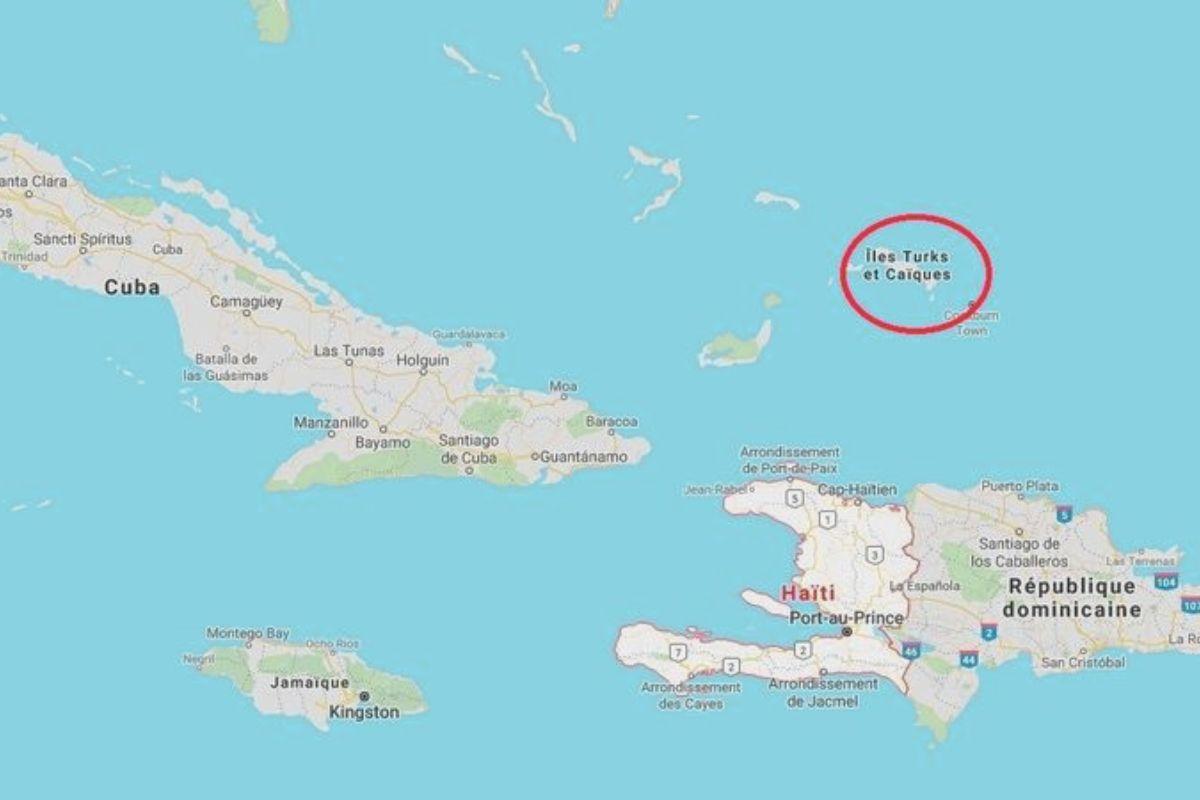
The Turks and Caicos Islands
At the end of July, three people died and a dozen others were injured in an armed attack on a nightclub in Providenciales, the main economic and tourist center of the Turks and Caicos Islands.
This tragedy, considered by local authorities to be the first mass killing in the archipelago, has aroused strong emotions among the population.
« We are now facing gangster-style killings, and much of this violence seems to be concentrated in our Haitian communities, » Prime Minister Charles Washington Misick said at a press conference following the tragedy.
Misick called on the Haitian community to collaborate with the police, saying some of its members have information on how weapons are smuggled into the Turks and Caicos Islands (TCI).
These statements have fueled concern among some members of the Haitian community in the ICT, who feel increasingly stigmatized and regularly targeted by locals, according to four Haitian expatriates contacted by AyiboPost.
Guyvenson Laine, a twenty-year-old, left Haiti for the ICT in 2021 in search of opportunities after more than five years of university studies that had led to no employment in Haiti.
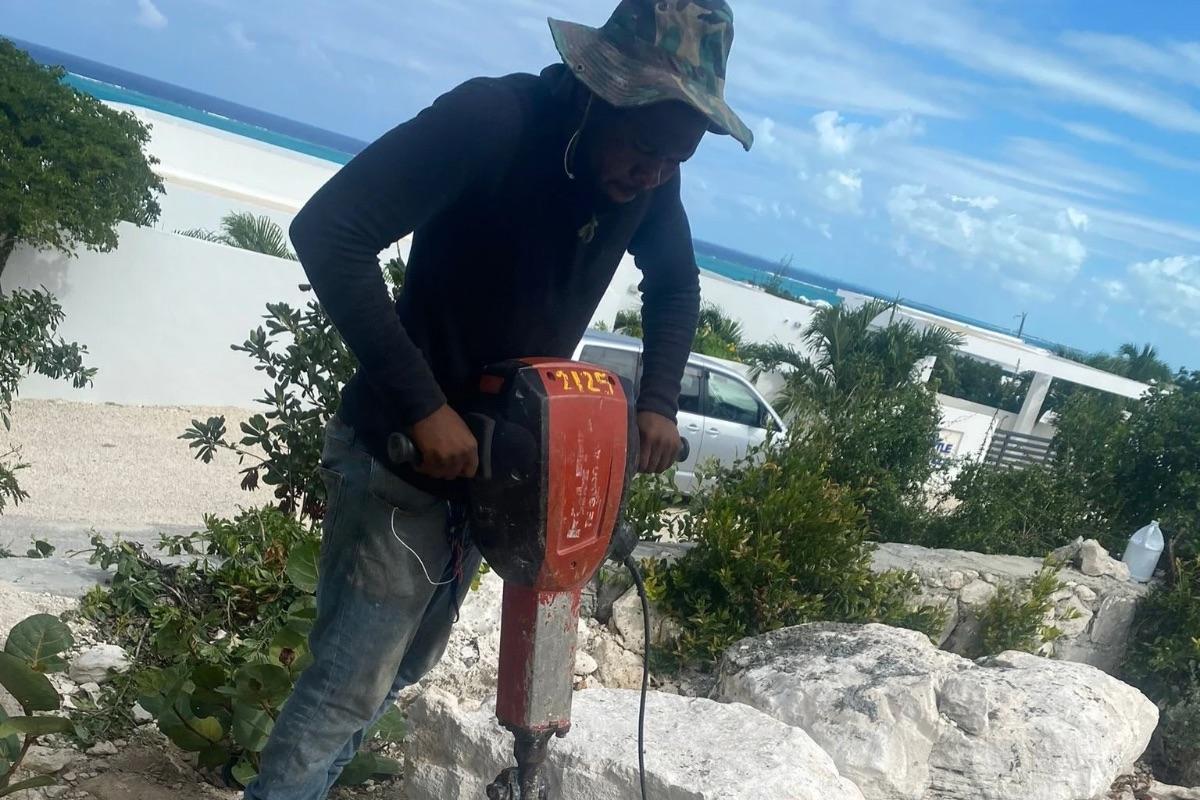
Guyvenson Laine working in construction in the Turks and Caicos Islands in 2023.
The man first worked in construction before becoming a truck driver. Although he is currently legally resident in the country, Laine observes the emergence of anti-Haitian sentiment, which has tended to strengthen recently in the TCI. « Residents follow Haitian news closely, » he says, believing that this negative perception is closely linked to the country’s image, largely tarnished by gang atrocities.
Alex arrived at the TCI in 2014. According to him, most Haitians are humiliated in this country. « This shocks and concerns me greatly, » he emphasizes, upset on the other end of the line.
For him, at the slightest act of banditry or homicide, the natives of the archipelago point the finger at the Haitians and attribute responsibility to them.
Located north of Haiti, the Turks and Caicos Islands are best known for their white sand beaches and turquoise waters.
In 2012, the Haitian community represented 34.7% of the total population, compared to 38.9% of indigenous people. The total population is estimated at nearly 50,000 inhabitants in 2023. Haitians have successfully integrated into political, social, and economic life.
In addition to Haitian immigrants, the Turks and Caicos Islands has Dominicans, Americans, Bahamians, Cubans and British immigrants who come for work, retirement or study.
Read also: Pedophiles infect children with HIV in camps in P-au-P
According to Eliphat Registre, an entrepreneur who arrived in 1999 and took Haitian nationality, naturalized Haitian citizens represent a significant portion of the electorate in local elections.
« Our votes count. They are very representative of the archipelago, » he told AyiboPost.
In recent years, violence and the precarious economic situation in Haiti have forced thousands of Haitians to flee the country, abandoning their jobs and sometimes their families.
Lacking the means, some choose to go underground by embarking on fragile ships in search of better living conditions in neighboring territories.
For decades, the Turks and Caicos Islands have been a top destination for Haitian families.
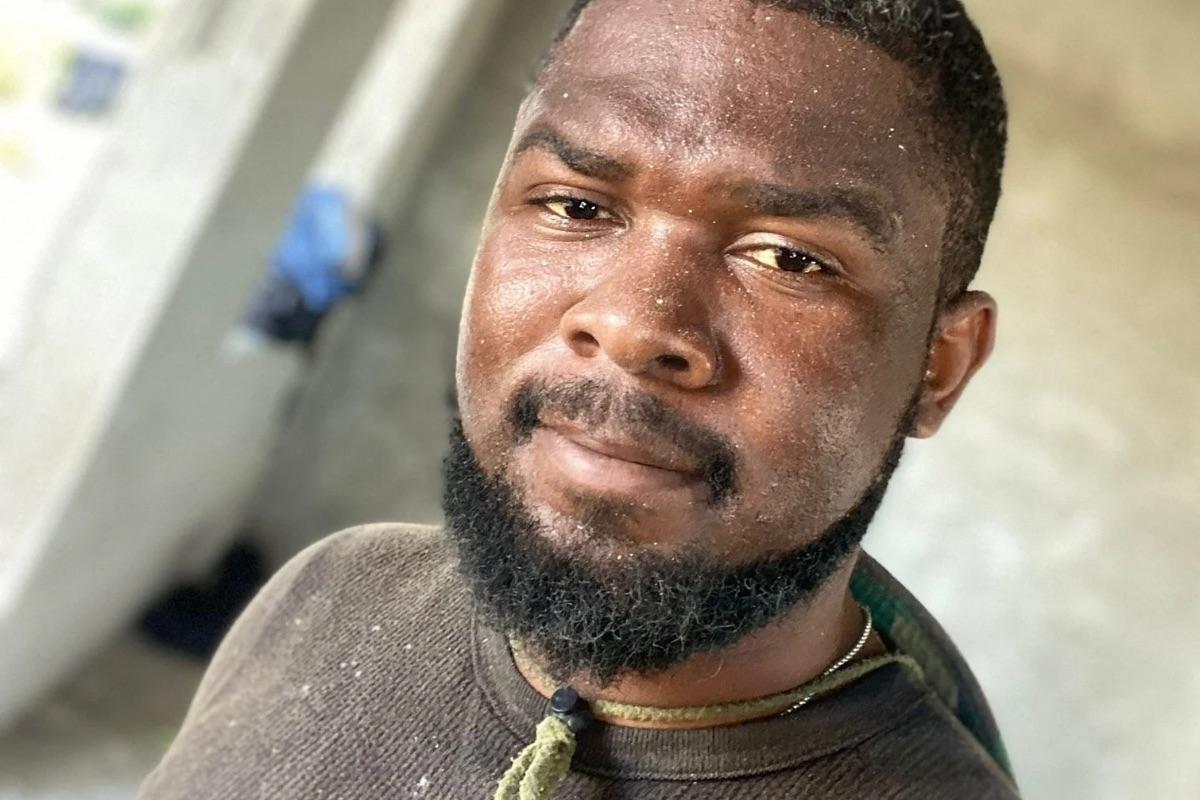
Guyvenson Laine at work in 2023.
In February 2013, Haiti opened its first consulate on the archipelago.
At the invitation of the Haitian government, in 2013, TCI Governor Damian Rick Todd visited Haiti to discuss migration issues and opportunities for cooperation between the two countries.
But the massive arrival of Haitian migrants in an irregular situation is worrying the authorities.
Recently, in response to this wave of illegal migration, they announced that they would suspend the issuance of new work permits and visas to new Haitian arrivals for six months.
A decision that worries members of the Haitian community, but which can be explained by the increase in illegal immigration and crime, according to the authorities.
In 2022, Prime Minister Washington Misick had already pointed to irregular migrants from Haiti as a potential source of the rise in violence.
That same year, the Jamaican police were called in to help manage the situation.
According to a report by the British Parliamentary Service published in 2022, this rise in crime is part of a regional dynamic marked by transnational trafficking including arms and drugs.
The report also highlights poverty, lack of employment and inequality in the Turks and Caicos Islands, which provide fertile ground for violence.
There is no clear data on which communities are specifically affected or involved in these crimes.
However, the report points out that the situation of the Haitian community illustrates some of the social problems highlighted by the government, such as poverty, unemployment and precarious employment, which can encourage criminal behavior.
In recent years, violence and the precarious economic situation in Haiti have forced thousands of Haitians to flee the country, abandoning their jobs and sometimes their families.
In addition, Providenciales and Grand Turk, where a large part of the Haitian community resides, concentrate the majority of the crimes committed.
The increase in violence in the Turks and Caicos Islands dates back to at least 2019.
That year, thirteen people were murdered.
A trend that continued in 2020 with 22 cases of murder compared to thirteen in 2021.
Figures that reveal a high homicide rate given the size of the population.
Haitian migration to these islands dates back to at least the 19th century, when Haitians came to work in salt production.
But in reality, the links between the two territories date back to the pre-Columbian period.
The Lucayans, a branch of the Taíno people who lived in the Americas before the arrival of the Spanish, are considered the first inhabitants of the Turks and Caicos Islands.
In the early 16th century, the Spanish invaded the region and enslaved the native Lucayans.
In the 1500s, they were captured and deported to the island named Hispaniola by Europeans, now home to Haiti and the Dominican Republic.
Around 1512, the populations still present there were forced to leave for the Bahamas or decimated by diseases introduced by the invaders.
More than a century after this invasion, a process of repopulation began around the 1600s, when Europeans from Bermuda settled there, accompanied by enslaved Africans, in order to exploit the salt mines, one of the main industries of the time.
But the abolition of slavery within the British Empire in 1834 led to economic decline and the abandonment of these facilities.
Thus, former slaves settled on the islands and began producing salt themselves.
Today, Haitians who take refuge on these islands are fleeing gang violence, unemployment and natural disasters in their homeland.
Everything seemed to be going well for Jean Nesly Calixte, an electrical professional who joined TCI in the early 2010s.
Like his compatriots who had already settled there, he had gone in search of new opportunities.
There, he discovered an attractive country offering numerous job prospects.
« I feel good here. I’ve lived better since leaving Haiti, » he says, while stressing that he is concerned about the rise in crime in the Turks and Caicos Islands.
Today, Haitians who take refuge on these islands are fleeing gang violence, unemployment and natural disasters in their homeland.
Although numerous, the Haitian community faces great economic and social insecurity marked by unemployment, irregular work, lack of access to basic services and a permanent fear of expulsion.
According to the United Nations, only 20% of Haitians living in the Turks and Caicos Islands have permanent residency.
The makeshift shelters where many Haitian migrants settle are often perceived as gang hotbeds.
Although he suffers from the stigmatization aimed at certain members of the Haitian community, Alex does not completely exonerate his compatriots.
For him, the situation is also linked to the fact that « Haitians are sometimes involved in armed clashes, homicides or illegal maneuvers, » he explains.
According to him, these illicit maneuvers contribute to hardening the migration policy on the archipelago.
Last August, in Duck Yard—a predominantly Haitian informal settlement behind Kew Town on the island of Providenciales—the state authorized the demolition, without compensation, of about 20 Haitian migrant homes built illegally on land owned by native Haitians, according to Alex.
AyiboPost contacted the Haitian Consulate in the Turks and Caicos Islands and the Turks and Caicos Islands government.
They did not respond before the publication of this article.
Although far from Haiti, Laine says he bears the brunt of the country’s instability.
« Sometimes the situation in Haiti generates contempt and even verbal abuse from the people of the Turks and Caicos Islands, » Laine told AyiboPost.
The man recalls an episode two years ago when, during a dispute with his boss over a salary that was late in coming, the latter snapped at him: « Why don’t you go back to your gangsterized country? »
But for this Haitian citizen, returning to Haiti is not an option.
« I love my country very much, » he says, « but I prefer to go further rather than consider returning home. »
By : Wethzer Piercin , Junior Legrand & Rolph Louis-Jeune
Cover | Context: Journalists march against police brutality on January 28, 2021, in Port-au-Prince. Photo: Valerie Baeriswyl for AyiboPost
► AyiboPost is dedicated to providing accurate information. If you notice any mistake or error, please inform us at the following address : hey@ayibopost.com
Keep in touch with AyiboPost via:
► Our channel Telegram : Click here
►Notre Channel WhatsApp : Click here
►Our Community WhatsApp : Click here





Comments